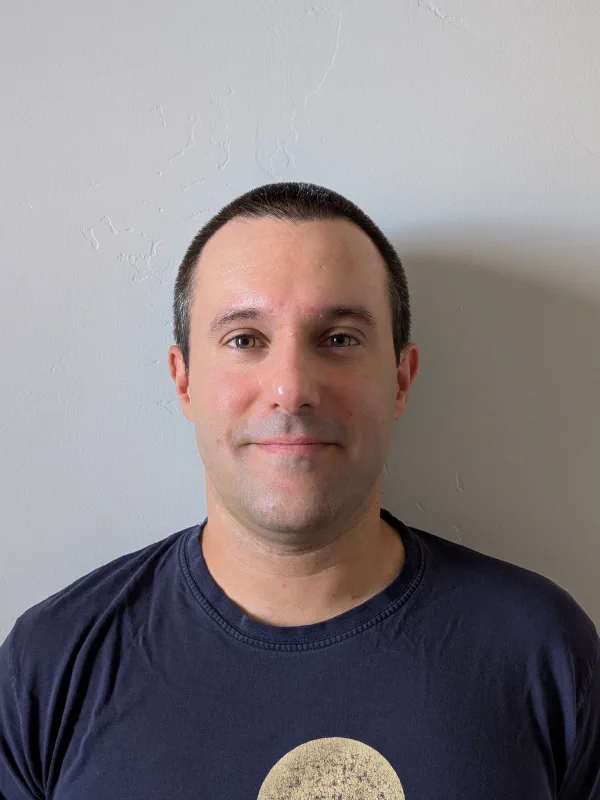
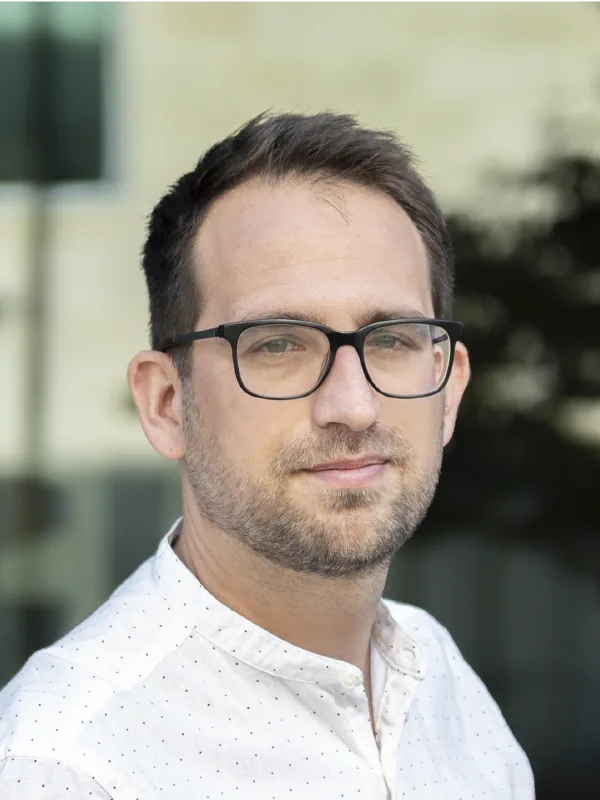
Dawid S. Zyla portrait

Dawid S. Zyla

Assistant Professor

Dawid is interested in understanding the molecular mechanisms of protein refolding and how they contribute to its function. He completed his PhD on E. coli pili stability at ETH Zurich in the lab of Prof. Glockshuber and postdoctoral structural studies on Measles virus fusion proteins at the La Jolla Institute for Immunology in Prof. Saphire Lab. With expertise in X-ray crystallography, cryo-EM and computational biology, Dawid established his lab at the University of Colorado Anschutz Medical Campus in June 2026 to investigate how dynamic conformational changes drive protein function.
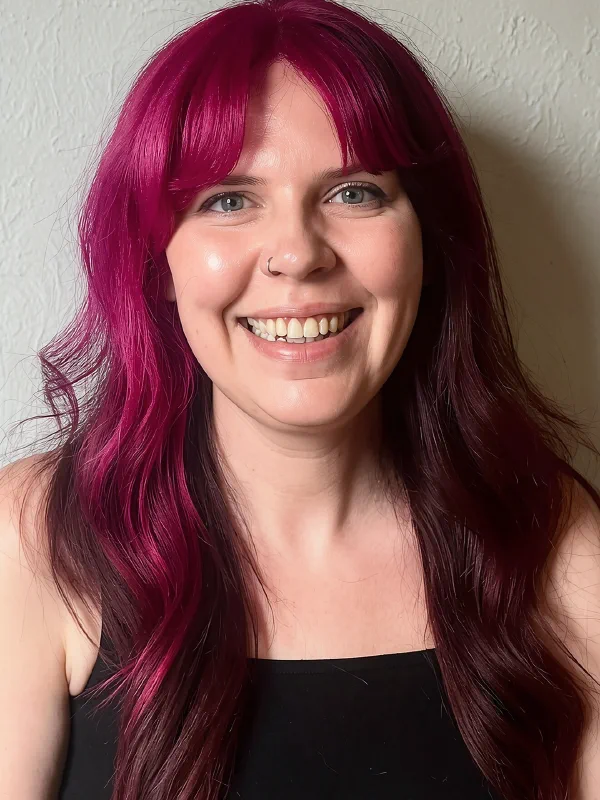
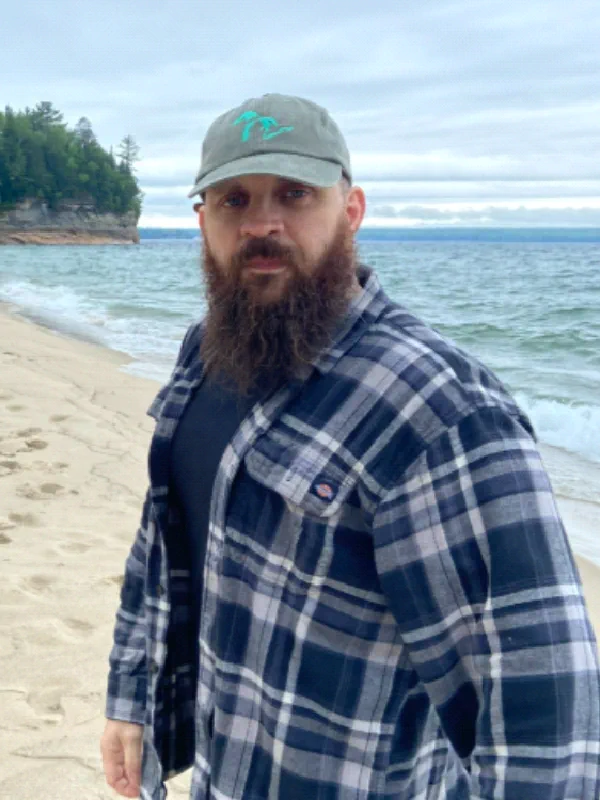
Robert Wolfe portrait

Robert Wolfe

Postdoctoral Researcher

Dr. Robert Wolfe joins the lab after postdoctoral appointments at Michigan State University in the laboratories of Drs. James Geiger, Xuefei Huang, and Kelly Kim. He earned his Ph.D. in Biological Chemistry from Michigan State University under the mentorship of Dr. David Weliky. His research integrates structural biology, protein engineering, and biophysical approaches to study virology and immunology, with expertise in cryo-EM, X-ray crystallography, protein design, and experimental method development. He is especially interested in the design and structural characterization of VLP-based vaccines and in understanding the molecular mechanisms of host-pathogen interactions. Outside the lab, Rob enjoys mead making, cooking, hiking, camping, weightlifting, mixed martial arts, and other outdoor activities.

Full profile of Robert Wolfe
Stefano Maggi portrait

Stefano Maggi

Staff Scientist

Stefano is interested in uncovering the structural basis and mechanistic function of molecular machines through the integration of imaging, bioinformatics, and AI. He earned his Bachelor’s and Master’s degrees in Biology and Molecular Biology from the Università degli Studi di Parma, followed by a PhD in the Rivetti Lab (2014–2017), where he used Atomic Force Microscopy (AFM) to study nucleoprotein complexes, transcriptional regulation mechanisms and developed a correlative AFM-fluorescence microscopy pipeline to capture membrane remodeling induced by toxin-antitoxin systems. He then joined, as post-doc, the Jensen Lab, first at Caltech and subsequently at Brigham Young University (2021–2025), where he led cryo-ET research on bacterial molecular machines—including type IV pili, secretion systems, and flagellar motors—as well as structural studies of the yeast Ire1-alpha unfolded protein response pathway. His long-term goal is to leverage structural and computational approaches to understand the architecture and mechanics of molecular machines, with the aim of re-engineering them for translational applications.

Full profile of Stefano Maggi

This could be you

We're always glad to hear from prospective students, postdocs, and collaborators. The roles below describe the kinds of scientists we recruit and what we look for in each — specific openings are announced in the [news feed](/news/). Even when nothing is formally advertised, reach out and tell us about your research interests and experience.

Get in touch